
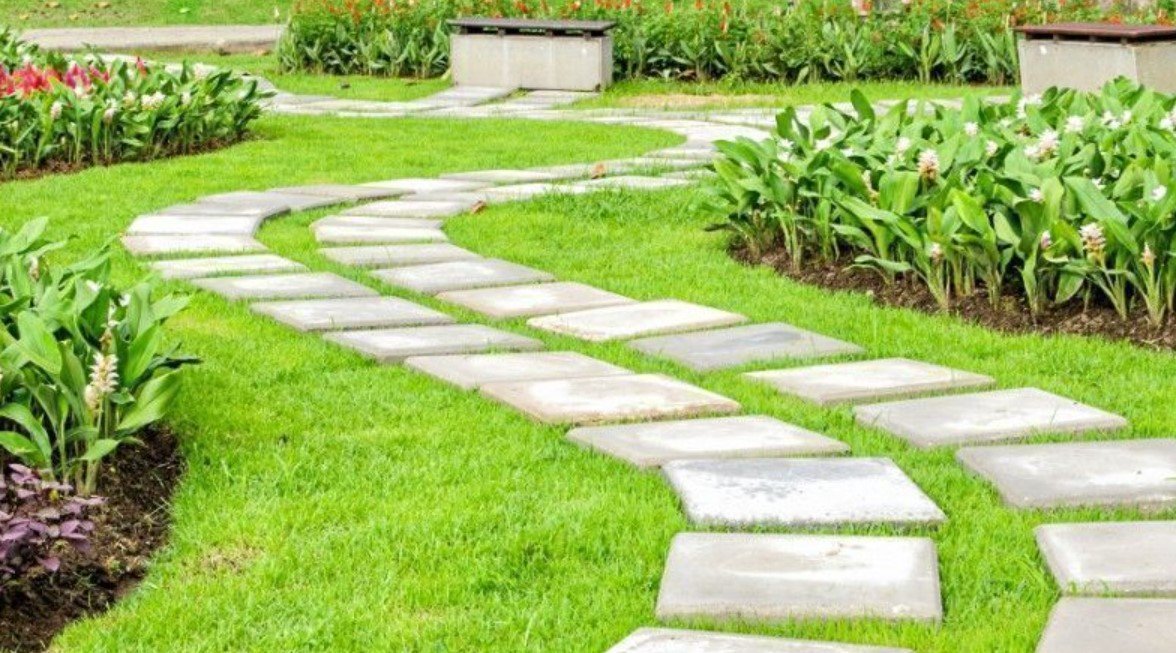
Creating a beautiful yard doesn’t have to come at the expense of the environment. Eco-friendly landscaping, also known as sustainable landscaping, focuses on designing and maintaining outdoor spaces in ways that conserve resources, protect local ecosystems, and reduce pollution. By adopting these practices, homeowners can enjoy lush, vibrant gardens while supporting the health of the planet. From choosing native plants to conserving water, there are numerous strategies that make landscaping both beautiful and sustainable.
For landcaping company Lynchburg contact A Plus Lawn Care.
Choosing Native Plants
One of the most effective eco-friendly landscaping practices is planting native species. Native plants are naturally adapted to your region’s climate, soil, and rainfall patterns. This means they require less water, fewer fertilizers, and minimal maintenance compared to non-native varieties.
Using native plants also supports local wildlife, providing habitats and food for pollinators such as bees, butterflies, and birds. For example, planting native flowering plants and shrubs can attract hummingbirds and beneficial insects, which help maintain the ecological balance in your garden.
Water Conservation Techniques
Water is a precious resource, and landscaping can have a significant impact on household water usage. Implementing water-saving techniques is essential for eco-friendly landscaping. Drip irrigation systems, soaker hoses, and rainwater harvesting can drastically reduce water waste while keeping your plants healthy.
Mulching is another practical technique. Applying organic mulch around plants helps retain soil moisture, reduces evaporation, and suppresses weed growth. Additionally, grouping plants with similar water needs together, a practice known as hydrozoning, ensures efficient water use and healthier gardens.
Soil Health and Composting
Healthy soil is the foundation of an eco-friendly landscape. Avoid chemical fertilizers and pesticides that can harm soil microbes and contaminate nearby water sources. Instead, use natural compost and organic amendments to enrich the soil.
Composting kitchen scraps, grass clippings, and fallen leaves is a sustainable way to recycle nutrients back into your garden. Compost improves soil structure, increases water retention, and provides essential nutrients for plants without relying on synthetic chemicals.
Lawn Alternatives
Traditional lawns require frequent watering, mowing, and chemical treatments, making them less sustainable. Eco-friendly landscaping encourages exploring lawn alternatives or reducing the size of conventional grass areas.
Groundcovers, clover, ornamental grasses, and meadow-style plantings are low-maintenance options that provide greenery without excessive resource use. These alternatives also enhance biodiversity by offering habitats for insects and small wildlife.
Integrated Pest Management
Pest control is a critical aspect of landscaping, but using chemical pesticides can harm beneficial insects, pets, and humans. Integrated pest management (IPM) offers a more sustainable approach.
IPM combines prevention, monitoring, and natural solutions to manage pests. Encouraging natural predators like ladybugs and birds, using neem oil or insecticidal soaps, and planting pest-resistant species are all eco-friendly strategies that reduce the need for harmful chemicals.
Energy-Efficient Outdoor Lighting
Outdoor lighting adds beauty and safety to your landscape, but it can also consume energy. Eco-friendly landscaping includes using energy-efficient lighting options such as LED bulbs and solar-powered fixtures.
Placing lights strategically reduces energy use while creating ambiance. Motion sensors and timers further increase efficiency by ensuring lights are only on when needed. These small changes can significantly reduce your home’s carbon footprint.
Sustainable Hardscaping
Hardscaping elements like patios, walkways, and driveways also play a role in eco-friendly landscaping. Using permeable materials such as gravel, permeable pavers, or recycled concrete allows rainwater to soak into the ground, reducing runoff and erosion.
Incorporating natural stone, reclaimed wood, or other sustainable materials for decks, fences, and garden structures further enhances the environmental benefits of your landscape. Sustainable hardscaping not only looks attractive but also contributes to a healthier local ecosystem.
Rain Gardens and Water Features
Rain gardens and eco-friendly water features are excellent ways to manage stormwater while adding visual interest. Rain gardens capture and filter runoff, preventing pollutants from reaching rivers and streams.
Constructing ponds or small water features with native aquatic plants provides habitats for frogs, birds, and beneficial insects. Using recirculating pumps ensures water efficiency while creating soothing elements in your landscape.
Maintaining Biodiversity
A truly eco-friendly landscape promotes biodiversity. Incorporating a variety of plant species, including flowering perennials, shrubs, trees, and groundcovers, supports insects, birds, and small mammals.
Creating diverse habitats—such as hedgerows, rock piles, or small woodlands—enhances your garden’s resilience and contributes to local ecological health. Biodiversity also reduces the likelihood of pest outbreaks and ensures a balanced, self-sustaining ecosystem.
Final Thoughts
Eco-friendly landscaping practices are about more than aesthetics—they are a commitment to sustainability and environmental stewardship. By choosing native plants, conserving water, improving soil health, reducing chemical use, and promoting biodiversity, homeowners can create beautiful outdoor spaces that benefit both people and nature.
Adopting these practices not only reduces environmental impact but also often lowers maintenance costs and creates a more resilient landscape. Whether you’re redesigning your garden or gradually implementing sustainable habits, eco-friendly landscaping is an investment in a greener future for your home and the planet.
