
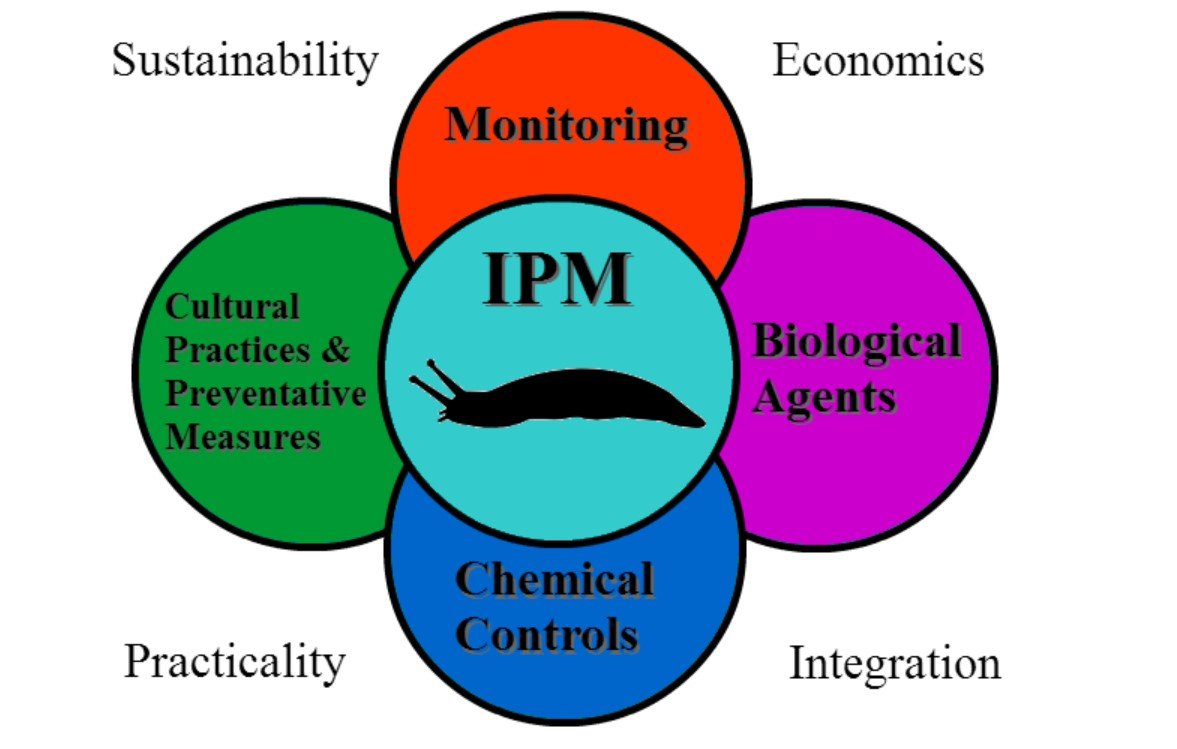
Introduction
A clean and comfortable home can quickly turn into a stressful environment when pests invade. From ants in the kitchen to rodents in the attic, these unwanted guests can damage property and pose health risks. Understanding and implementing effective pest control strategies is essential to maintaining a safe, hygienic, and peaceful living space.
Understanding Common Household Pests
Before tackling any infestation, it’s important to identify the types of pests you’re dealing with. Common household pests include:
- Ants – Often attracted to food crumbs and sugary substances
- Cockroaches – Thrive in warm, damp areas and spread bacteria
- Rodents – Can chew wires and contaminate food supplies
- Termites – Cause structural damage by feeding on wood
- Mosquitoes – Known for spreading diseases and causing discomfort
Each pest requires a different pest control approach, making proper identification the first step in effective management.
Preventive Measures: The First Line of Defense
Prevention is always better than cure when it comes to pests. By adopting simple habits, you can significantly reduce the chances of infestation:
1. Maintain Cleanliness
Keep your home clean, especially in kitchens and dining areas. Wipe surfaces regularly, store food in sealed containers, and take out the trash daily.
2. Seal Entry Points
Inspect your home for cracks, holes, and gaps in walls, doors, and windows. Sealing these entry points prevents pests from getting inside.
3. Eliminate Moisture
Many pests thrive in moist environments. Fix leaking pipes, ensure proper drainage, and use dehumidifiers if necessary.
4. Proper Waste Management
Dispose of garbage properly and use bins with tight-fitting lids to prevent pests from accessing food sources.
Natural Pest Control Solutions
For those who prefer eco-friendly methods, natural pest control solutions can be highly effective:
- Neem oil: Works well against insects like aphids and mosquitoes
- Vinegar spray: Repels ants and disinfects surfaces
- Baking soda and sugar: Effective against cockroaches
- Essential oils: Peppermint and lavender can deter spiders and insects
These methods are safe for families and pets while still providing reliable pest management.
Chemical Pest Control: When to Use It
In severe infestations, natural remedies may not be enough. Chemical pest control methods, such as sprays and baits, can offer quick and effective results. However, they should be used cautiously:
- Always follow label instructions
- Keep chemicals out of reach of children
- Use protective gear when applying pesticides
- Avoid overuse to minimize environmental impact
Hiring professional pest control services is often the safest option when dealing with large infestations.
The Role of Professional Pest Control Services
Professional exterminators have the expertise and tools needed to handle complex pest problems. They can:
- Conduct thorough inspections
- Identify hidden infestations
- Use targeted treatments
- Provide long-term prevention plans
Although it may seem costly upfront, professional pest control can save money in the long run by preventing extensive damage.
Seasonal Pest Control Tips
Different seasons bring different pests. Being proactive throughout the year helps maintain a pest-free home:
- Summer: Focus on mosquitoes and flies
- Rainy season: Watch for cockroaches and termites
- Winter: Rodents often seek shelter indoors
Adjusting your pest control strategy based on the season ensures better results.
Health Risks Associated with Pests
Ignoring pest problems can lead to serious health concerns:
- Allergies and asthma triggered by cockroach droppings
- Food contamination by rodents
- Diseases transmitted by mosquitoes
Implementing proper pest control measures helps protect your family from these risks.
Conclusion
Maintaining a pest-free home requires consistent effort, awareness, and the right strategies. By combining preventive measures, natural remedies, and professional assistance when needed, you can effectively manage and eliminate pests. Investing in proper pest control not only protects your property but also ensures a healthier and more comfortable living environment for you and your family.57
