
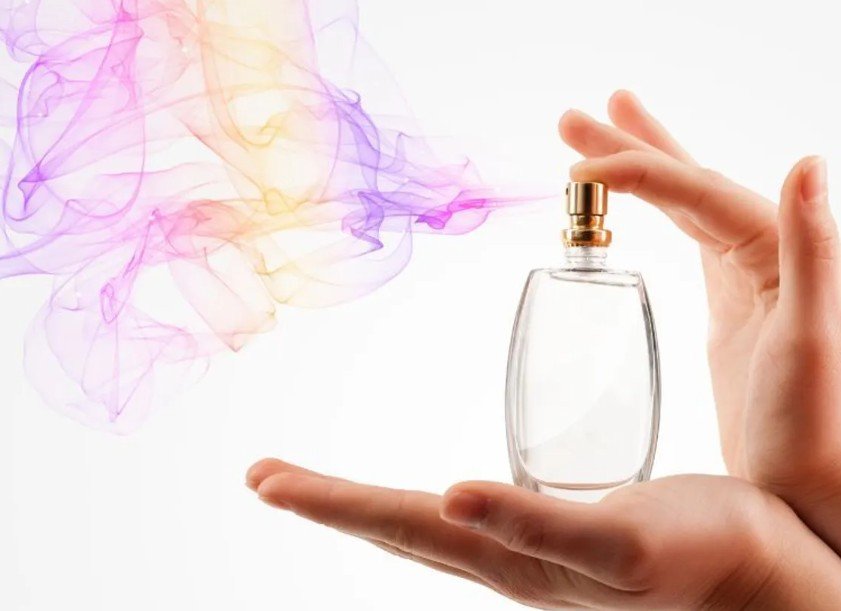
Perfumes have enchanted humanity for centuries. They are more than just fragrant liquids in ornate bottles — they are memories, moods, and messages bottled up in delicate drops. From ancient rituals to modern fashion statements, perfumes continue to play a powerful role in our daily lives. This article explores the fascinating world of perfumes: their history, composition, types, cultural significance, and the emotional power they hold.
A Brief History of Perfume
The word “perfume” comes from the Latin phrase per fumum, meaning “through smoke.” This is a nod to the ancient practice of burning aromatic resins and woods in religious ceremonies. Perfume-making dates back to the earliest civilizations. The ancient Egyptians used perfumes in rituals and for personal adornment, often storing them in beautiful alabaster jars. They believed scents had divine qualities and could connect the earthly and spiritual worlds.
In ancient Greece and Rome, perfumes became popular among the elite. They were used in baths, as skin applications, and even on clothes. During the Islamic Golden Age, perfume-making became a sophisticated art, with the introduction of new distillation techniques and exotic ingredients. In medieval Europe, perfumes were seen as protection against disease, and their use became widespread among the upper class.
By the 17th century, France emerged as the global capital of perfumery — a title it still holds today. The town of Grasse, known for its flower fields, became the epicenter of fragrance production. Perfumes were no longer just for the wealthy; they became an essential accessory, reflecting personality, mood, and social status. Today, the tradition continues with exquisite creations like luxury perfumes for her, combining timeless elegance with modern sophistication.
The Composition of a Perfume
At its core, a perfume is a blend of essential oils, aroma compounds, fixatives, and solvents. The artistry lies in how these elements are combined to produce a harmonious scent.
Perfumes are typically structured in three layers:
- Top Notes: These are the initial scents perceived right after applying perfume. They are usually light and evaporate quickly. Common top notes include citrus, herbs, and light fruits.
- Middle Notes (Heart Notes): These form the core of the fragrance. They appear after the top notes fade and last longer. Floral, spicy, and fruity notes often dominate this layer.
- Base Notes: These are the lasting impressions of the perfume. They emerge once the top and middle notes have evaporated. Base notes include woods, musk, amber, and vanilla.
The balance and harmony between these layers determine the perfume’s personality and longevity.
Types of Perfumes
Perfumes come in various concentrations, which affect their strength and staying power:
- Parfum (Extrait de Parfum): The most concentrated form, with 20–30% aromatic compounds. It lasts the longest, often up to 24 hours.
- Eau de Parfum (EDP): Contains 15–20% fragrance oils. It is a popular choice for its balance of strength and affordability.
- Eau de Toilette (EDT): Has 5–15% fragrance concentration. It’s lighter and suitable for daily wear.
- Eau de Cologne (EDC): Typically 2–5% concentration, with a very light and fresh scent.
- Eau Fraîche: The least concentrated, with 1–3% aroma, mainly used for a refreshing splash.
Each type serves a different purpose, depending on the occasion, time of day, and personal preference.
Cultural and Emotional Significance
Perfumes are not just cosmetic. They carry deep emotional and cultural meanings. A particular scent can instantly transport someone back to a cherished memory — a childhood moment, a first date, or a long-forgotten summer. This phenomenon, known as “olfactory memory,” is powerful because our sense of smell is closely linked to the brain’s limbic system, which controls emotions and memories.
In various cultures, perfumes hold symbolic meaning. In India, for example, attars (natural perfume oils) are used in religious rituals and traditional ceremonies. In the Middle East, the use of oud (agarwood) and musk is deeply ingrained in hospitality and personal grooming. Western countries have embraced perfumes as an essential fashion accessory, with iconic fragrances becoming part of pop culture.
The Power of Personal Scent
Choosing a perfume is a deeply personal experience. It’s an invisible signature that can define a person’s identity and presence. Some people prefer floral and sweet notes, while others lean toward woody, spicy, or aquatic scents. The “right” perfume can boost confidence, uplift mood, and even attract others.
Fragrance houses and designers often market perfumes to specific personalities or lifestyles. A perfume can be bold and seductive, light and fresh, mysterious and exotic, or warm and comforting. This diversity is what makes the perfume industry so creative and ever-evolving.
The Modern Perfume Industry
Today, the perfume industry is a multi-billion-dollar global enterprise. Fashion designers, celebrities, and niche fragrance houses all compete for a share of the market. While mainstream perfumes dominate department store shelves, there’s also a growing interest in artisanal and natural perfumes — blends that avoid synthetic chemicals and prioritize sustainability.
Perfume packaging has also become an art form. Elegant bottles, intricate designs, and branding all play a role in a perfume’s appeal. For many, the bottle is a collectible item as much as the scent itself.
Conclusion: A Celebration of Scent
Perfumes are an extraordinary blend of science, art, and emotion. They encapsulate history, culture, and individuality in a few precious drops. Whether used to make an impression, evoke a memory, or simply feel good, perfumes enrich our lives in subtle but powerful ways.
The next time you wear a fragrance, take a moment to appreciate the journey it represents — from ancient traditions to modern innovation, from the blooming fields of Grasse to your own pulse points. Perfume is, quite simply, the scent of human expression.
