
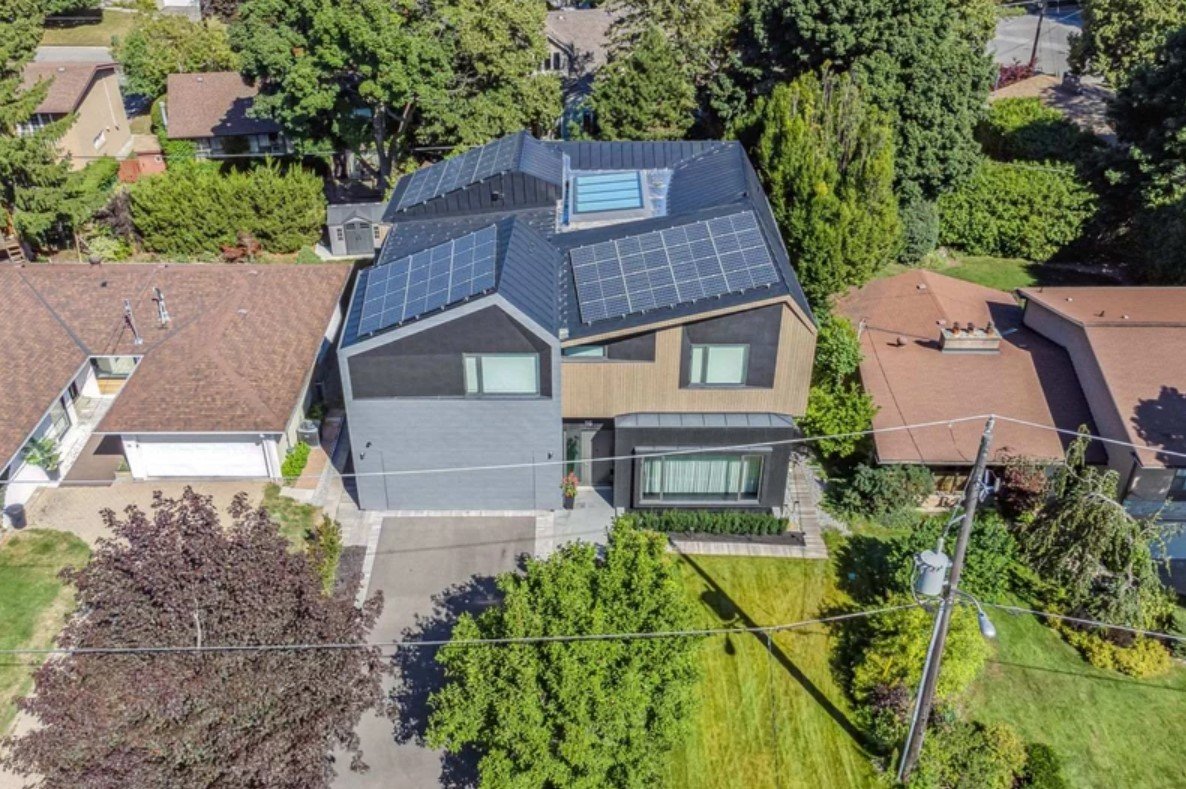
Buying land is one of the most significant investments you can make when planning a custom home. While many buyers focus on the size, location, or price of a property, overlooking critical details can lead to unexpected expenses and construction delays. Evaluating Home Site Lot properly before making a purchase helps ensure your dream home is built on a solid foundation—both literally and financially.
A careful assessment of the land allows you to identify hidden issues such as poor soil conditions, drainage problems, zoning restrictions, and utility access. By understanding these factors in advance, you can avoid costly surprises and make a confident buying decision.
Why Evaluating Home Site Lot Matters
The land you choose directly affects the design, construction cost, maintenance, and future value of your home. Even an attractive lot may have hidden challenges that increase building expenses or limit your home’s design possibilities.
When Evaluating Home Site Lot, consider both the visible and invisible characteristics of the property. A thorough inspection today can save thousands of dollars tomorrow.
Mistake #1: Ignoring Soil Quality
One of the most common mistakes buyers make is failing to test the soil before purchasing land.
Poor soil can lead to:
- Foundation settlement
- Drainage issues
- Higher excavation costs
- Structural instability
A professional geotechnical soil test identifies whether the land is suitable for residential construction and determines if additional foundation work will be necessary.
Mistake #2: Overlooking Drainage Problems
Water is one of the biggest threats to any home’s foundation.
Before buying land, inspect:
- Low-lying areas
- Standing water after rain
- Natural drainage paths
- Nearby streams or wetlands
During Evaluating Home Site Lot, observe how rainwater moves across the property. Poor drainage can result in flooding, erosion, mold, and expensive repairs.
Mistake #3: Not Checking Zoning Regulations
Many buyers assume they can build whatever they want on their newly purchased land.
However, local zoning laws may restrict:
- Home size
- Building height
- Property setbacks
- Accessory buildings
- Home-based businesses
Always verify zoning requirements with the local planning department before finalizing your purchase.
Mistake #4: Forgetting About Utility Access
A beautiful piece of land can become extremely expensive if utilities are unavailable.
Check whether the lot has access to:
- Electricity
- Public water
- Sewer systems
- Natural gas
- Internet services
If utilities aren’t available, installing wells, septic systems, or power lines can significantly increase construction costs.
Mistake #5: Ignoring Property Boundaries
Never rely solely on fences or verbal descriptions.
Instead, obtain a professional land survey that confirms:
- Property lines
- Easements
- Encroachments
- Right-of-way access
Proper Evaluating Home Site Lot includes verifying exactly what land you’re purchasing.
Mistake #6: Buying Without Understanding Topography
The shape and slope of the land greatly influence construction costs.
Steep lots often require:
- Retaining walls
- Extra grading
- Specialized foundations
- More drainage systems
Flat lots generally cost less to develop, although they may require drainage improvements in certain areas.
Mistake #7: Skipping Environmental Assessments
Some properties contain environmental concerns that may delay or prevent construction.
Possible issues include:
- Flood zones
- Wetlands
- Protected wildlife habitats
- Contaminated soil
- Historic preservation restrictions
Understanding these conditions before purchase prevents legal and financial complications.
Mistake #8: Choosing Price Over Location
A cheaper lot isn’t always the better investment.
Consider nearby amenities such as:
- Schools
- Hospitals
- Shopping centers
- Employment opportunities
- Public transportation
Location significantly affects long-term property value and quality of life.
Mistake #9: Ignoring Future Development Plans
Research the surrounding area before buying.
Ask questions like:
- Will new highways be built nearby?
- Are commercial developments planned?
- Could neighboring farmland become residential housing?
- Will traffic increase significantly?
Future developments can either increase property value or reduce the peaceful environment you expected.
Mistake #10: Failing to Budget for Site Preparation
Many buyers focus only on the purchase price and forget development costs.
Site preparation may include:
- Tree removal
- Clearing vegetation
- Excavation
- Grading
- Driveway installation
- Utility connections
A thorough Evaluating Home Site Lot process should include estimating all preparation expenses before purchasing.
Important Questions to Ask Before Buying Land
Before signing any agreement, ask:
- Has the land been surveyed?
- Is the property build-ready?
- Are utilities available?
- Does the lot pass soil testing?
- Are there any easements?
- What are the zoning restrictions?
- Is the land in a flood-prone area?
- Are permits required before construction?
Getting clear answers helps avoid unexpected costs later.
Professional Inspections Worth Considering
Hiring experienced professionals provides valuable insight before making such an important investment.
Consider consulting:
- Land surveyors
- Geotechnical engineers
- Environmental consultants
- Civil engineers
- Local builders
- Real estate professionals
These experts can identify hidden problems that are difficult for buyers to notice on their own.
Tips for Successful Evaluating Home Site Lot
To make a confident purchase decision, follow these practical tips:
- Visit the property multiple times during different weather conditions.
- Walk the entire lot instead of viewing it only from the road.
- Review county records and property history.
- Confirm utility availability with service providers.
- Request copies of previous surveys and inspections.
- Estimate total development costs before making an offer.
- Discuss your building plans with an experienced custom home builder.
These steps provide a complete understanding of the property’s true potential.
Conclusion
Choosing the right land is just as important as designing the perfect home. Careful Evaluating Home Site Lot helps uncover hidden issues that could lead to expensive repairs, construction delays, or legal complications. By examining soil quality, drainage, zoning regulations, utility access, environmental concerns, and future development plans, buyers can make informed decisions with greater confidence.
Investing time in proper research today protects your budget and ensures your future home is built on land that supports both your lifestyle and long-term property value. Before purchasing any lot, take a methodical approach, consult qualified professionals, and never rush the evaluation process. A well-chosen homesite lays the groundwork for a successful and enjoyable homebuilding experience.
