
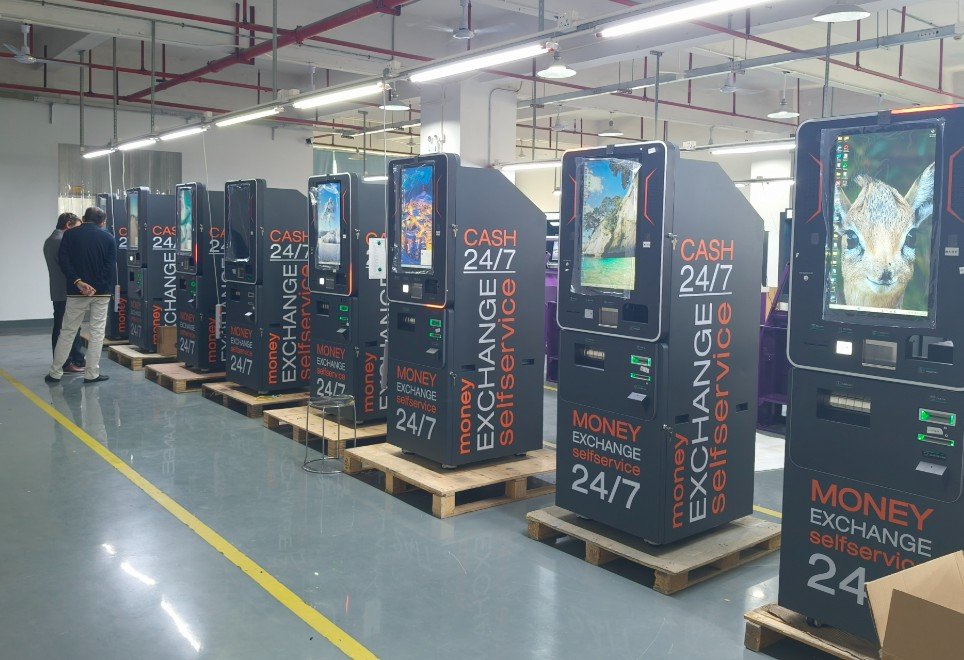
Walking into a busy hospital or a government office often means dealing with long queues, repeated paperwork, and delays that can test anyone’s patience. In many places, staff are overwhelmed with routine tasks, while visitors struggle to complete basic services efficiently. This gap between demand and service capacity has created a strong need for automation systems that simplify public interactions. Among the most effective solutions emerging today is the smart kiosk.
A smart kiosk is a self-service terminal that allows users to complete transactions, access information, or perform administrative tasks without direct assistance from staff. These systems combine hardware and software to deliver fast, secure, and user-friendly services in high-traffic environments. In hospitals and government institutions, especially, smart kiosks are transforming how services are delivered by reducing workload, improving accuracy, and enhancing overall efficiency.
The Rise of Smart Kiosk Systems in Public Services
Public service sectors are under constant pressure to serve more people with limited resources. Traditional manual processes are often slow and prone to human error. Smart kiosks solve these challenges by introducing automation into everyday operations.
Modern smart kiosk systems come equipped with touchscreens, biometric authentication, QR code scanners, card readers, printers, and cloud-based software. These features allow users to interact with services in a simple and intuitive way. Whether it is registering a patient in a hospital or applying for a government certificate, the process becomes faster and more organized.
Hospitals use kiosks for patient check-in, appointment scheduling, bill payments, and report collection. Government offices deploy them for identity verification, license renewal, tax payments, and public information services. The result is a smoother flow of operations and reduced waiting time for citizens.
Smart Kiosk Benefits in Hospitals
Healthcare institutions deal with large volumes of patients every day. Managing this demand efficiently is critical for both patient satisfaction and medical staff performance. Smart kiosks play a key role in achieving this balance.
Faster Patient Registration
One of the biggest advantages of smart kiosks in hospitals is automated registration. Instead of standing in long queues, patients can enter their details directly into the system. This significantly reduces congestion at reception counters and speeds up the entire admission process.
Reduced Burden on Staff
Hospital staff often spend a large portion of their time handling repetitive administrative tasks. With smart kiosks handling registration, appointment booking, and billing, staff can focus more on patient care and critical medical duties.
Improved Patient Experience
Waiting in crowded areas can be stressful for patients and their families. Smart kiosks reduce this frustration by offering quick access to services and clear instructions. Many systems also provide queue management features, helping patients track their turn in real time.
Contactless Interaction
In modern healthcare environments, hygiene and safety are top priorities. Smart kiosks support contactless technologies such as QR scanning and digital payments, minimizing physical contact and reducing the risk of contamination.
Efficient Billing and Payments
Hospitals often deal with complex billing systems involving insurance, consultations, and treatments. Smart kiosks simplify this process by enabling self-service payments through multiple methods, reducing delays at payment counters.
Smart Kiosk Applications in Government Services
Government institutions are responsible for delivering essential services to millions of citizens. However, traditional office-based systems can be slow and difficult to access. Smart kiosks introduce automation that makes public services more efficient and accessible.
Self-Service Public Access
Citizens can use kiosks to complete a wide range of services, including applying for documents, printing certificates, and accessing government information. This reduces dependency on manual processing and improves service speed.
Reduced Administrative Pressure
Government employees often handle repetitive paperwork that consumes valuable time. Smart kiosks automate these tasks, allowing staff to focus on more complex administrative responsibilities.
24/7 Availability
Unlike traditional offices with fixed working hours, smart kiosks can operate continuously. This allows citizens to access important services at any time, even outside office hours.
Secure Identity Verification
Security is a major concern in government services. Smart kiosks often include biometric scanners and identity verification systems to ensure accurate authentication and reduce fraudulent activities.
Better Public Service Delivery
By reducing waiting times and simplifying processes, smart kiosks improve overall public satisfaction. They also help governments maintain transparency and efficiency in service delivery.
Technology Behind Smart Kiosks
The effectiveness of smart kiosks lies in the advanced technology that powers them. These systems combine hardware components with intelligent software to deliver seamless user experiences.
Touchscreen interfaces make navigation simple, even for users who are not tech-savvy. Biometric systems such as fingerprint or facial recognition enhance security. Cloud integration allows real-time data synchronization, ensuring that information is always up to date.
Artificial intelligence is also becoming an important part of modern kiosk systems. AI can guide users through processes, provide recommendations, and even predict service demand patterns to improve efficiency.
Challenges and Future Potential
While smart kiosks offer many benefits, their implementation also comes with challenges. Initial setup costs, system maintenance, and user adaptation can be barriers in some regions. However, these challenges are gradually decreasing as technology becomes more affordable and user-friendly.
The future of smart kiosks is expected to include more advanced features such as voice interaction, multilingual support, and deeper integration with mobile applications. As digital transformation continues, kiosks will play an even more important role in connecting citizens with essential services.
Conclusion
Smart kiosks are reshaping the way hospitals and government institutions operate. By automating routine tasks, improving efficiency, and enhancing user experience, they are helping create more modern and responsive public service systems. From patient registration in healthcare facilities to document processing in government offices, these systems are making everyday services faster and more convenient.
As technology continues to evolve, smart kiosk solutions will become an essential part of digital infrastructure, supporting both service providers and users in achieving a smoother and more efficient experience.
